



Essential Information on Sydney
Sydney features a temperate and humid subtropical climate characterized by warm, pleasant summers and mild, clear winters. The city enjoys sunshine year-round, though rainfall is distributed throughout the calendar, with occasional heavy downpours.
June and July mark the heart of winter in Sydney, bringing crisp, cool days, clear skies, and chilly nights. Daytime temperatures typically peak around 17°C-18°C while overnight lows drop to 8°C-10°C. June often sees more rainfall, whereas July is the city’s coolest and driest month. Pack layers, a warm windproof jacket or puffer coat, scarves, and comfortable walking shoes. Heavy snow gear is unnecessary, and sunny blue-sky days are common.
Tourism
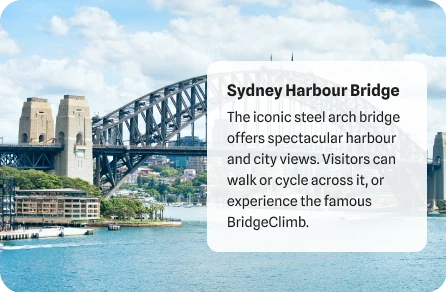
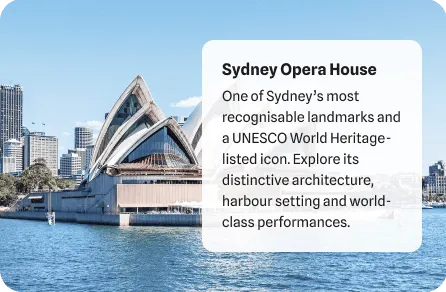
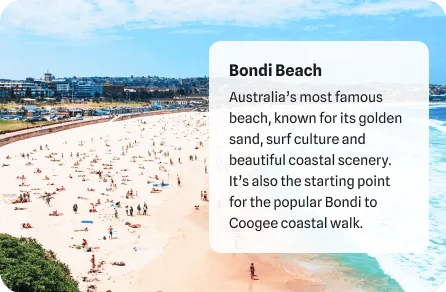
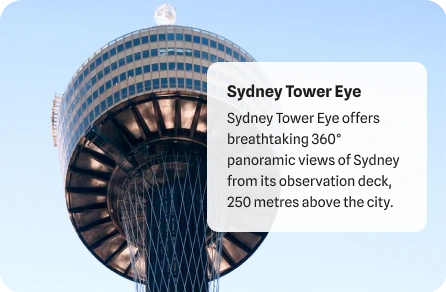
Sydney is a vibrant harbour city that welcomes overseas travellers with a memorable blend of natural beauty, cultural experiences and relaxed Australian hospitality. Visitors can enjoy world-famous landmarks, golden beaches, waterfront dining, museums, galleries and diverse neighbourhoods, all within easy reach of the city centre.
Sydney is easy to explore by train, light rail, bus and ferry, with ferry journeys offering some of the best views of the harbour. Whether guests have a few hours or several days, they can combine sightseeing, coastal walks, shopping, dining and cultural activities to create an enjoyable introduction to Australia’s largest city.
Currency
Australia uses the Australian Dollar (AUD). International cards are widely accepted across Sydney, while cash may still be useful for smaller purchases. Check current exchange rates and confirm any international transaction or currency conversion fees with your bank before travelling.
Taxes
Goods and services in Australia generally include a 10% Goods and Services Tax (GST). The price displayed to consumers typically includes GST. Keep this in mind when budgeting for accommodation, dining, shopping and other expenses during your visit.
Tipping
Tipping is not generally compulsory in Australia. It is usually offered as a gesture of appreciation for good service, particularly in restaurants, cafés or for exceptional service. Check your bill before paying, as some venues may apply service charges for specific group bookings or arrangements.
Climate
Sydney's climate varies throughout the year, so delegates should check the forecast before travelling and pack accordingly. APAC 2027 takes place in 2027, so closer to the event, review the expected conditions and plan suitable clothing, footwear and sun protection.
Local Time
Sydney operates on Australian Eastern Time, with daylight saving applying during part of the year. The exact time difference for international delegates will depend on their home location and the daylight-saving period. Check the local Sydney time when planning flights, meetings and conference activities.
Mobile & Cell Phones
Mobile coverage is widely available throughout Sydney, with major Australian networks providing services across the city. International visitors should check roaming charges with their home provider or consider an Australian SIM/eSIM for longer stays. Ensure your phone is unlocked and compatible before purchasing a local service.
Electricity
Australia uses 230V / 50Hz electricity and Type I power outlets. International delegates should bring a suitable travel adaptor for Australian sockets. If your devices require a different voltage, check compatibility before connecting them to the local power supply.